Selection Suggestions and Maintenance of Induction Cooker
Creating a cozy and peaceful summer home requires carefully selected appliances that enhance comfort without sacrificing style and efficiency. Appliances 4 Less Sugarland offers residents of Alvin, Conroe, Texas City, Galveston, and more a selection of opened, scratched, and dented appliances that are perfect for summer living. Here’s our guide to the must-have appliances for a cozy summer home.
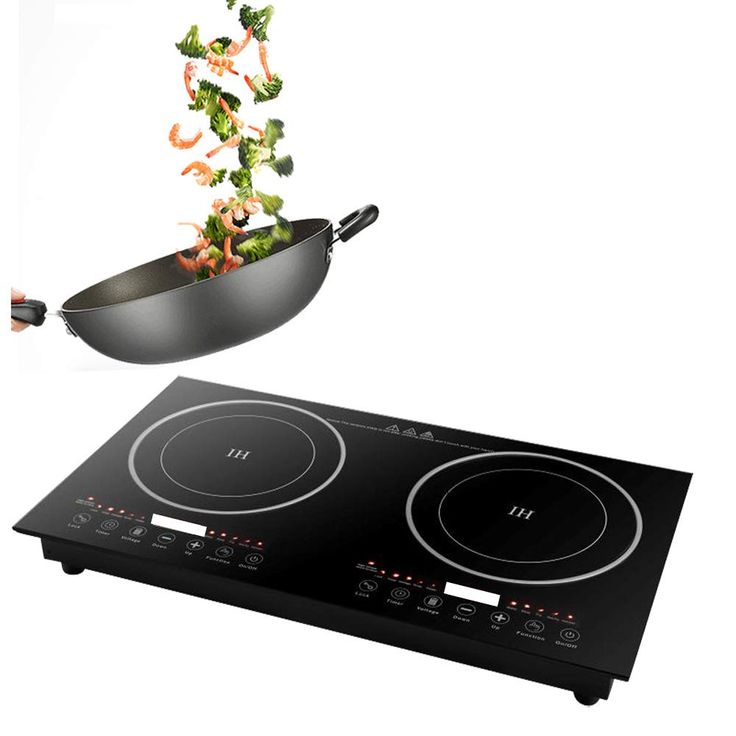
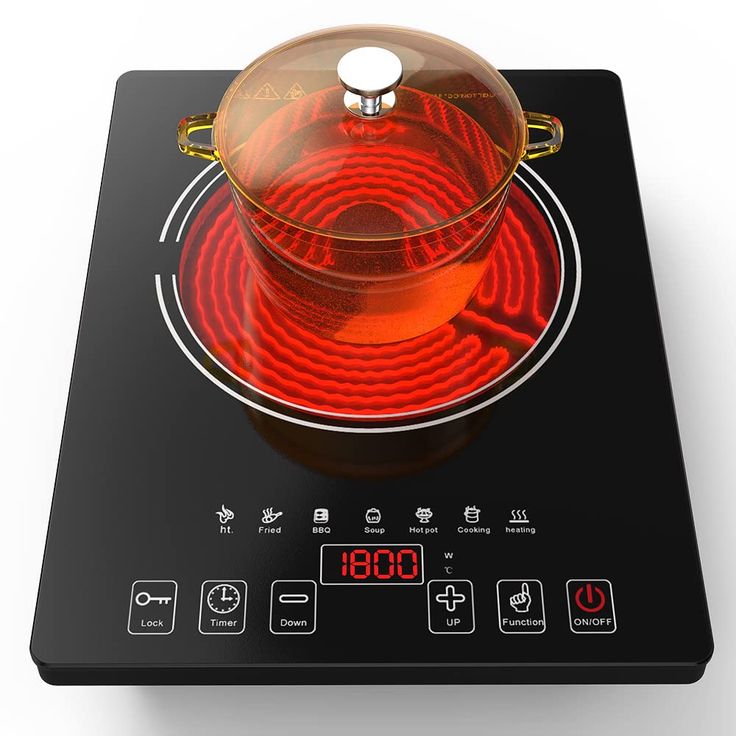
In the fast-paced modern life, induction cooker has become an indispensable cooking weapon in the kitchen with its advantages of high efficiency, convenience and safety. However, like any precision electrical appliance, the induction cooker is also faced with the challenge of heat dissipation and disk surface damage during long-term use. This article will discuss in depth the heat dissipation technology of induction cooker and the repair method of disk surface cracks, helping you to fully understand how to maintain the health of induction cooker and make cooking more comfortable and efficient.
1、cooling technology
The high-power operation of the induction cooker will generate a lot of heat, if it can not be distributed in time, it will affect the performance of the equipment and even cause security risks. At present, the mainstream cooling technology mainly includes the following 4:
1. Fan cooling
Fan cooling accelerates air flow through forced convection, taking heat away from heating elements (such as coil discs, power tubes). Its simple structure and low cost are widely used in low-end induction cookers. Although the noise and heat dissipation efficiency are relatively limited, they can still meet the basic needs in daily use.
2. Heat dissipation from heat sink
The heat sink uses the high thermal conductivity of metals (such as aluminum and copper) to increase the contact area with the air through the fin design and improve the heat dissipation efficiency. Aluminum heat sink low cost, light weight, suitable for home use; copper heat sink thermal conductivity is better, common in high-end models. Its silent operation and stable performance make it an ideal choice for commercial kitchens.
.png)
3. Heat pipe heat dissipation
The heat pipe realizes rapid heat transfer through the phase change of the working medium (liquid → gas → liquid), and the heat conduction efficiency is much higher than that of traditional metals. Its directional heat transfer characteristics can concentrate heat dissipation, avoid disordered heat diffusion, and significantly improve the reliability and life of the induction cooker. Despite the high cost, it performs well in scenarios with extremely high thermal requirements.
4. Liquid cooling and heat dissipation
The liquid cooling system absorbs heat through the coolant cycle and releases it in the external radiator to achieve efficient heat dissipation and precise temperature control. The advantage of its large specific heat capacity can stabilize the internal temperature of the induction cooker and meet the needs of complex cooking environment. Although the structure is complex and the cost is high, it represents the development direction of heat dissipation technology.
Selection suggestion: According to the usage scenario and budget, home users can give priority to heat sink or fan cooling; commercial kitchen or high-end demand can consider heat pipe or liquid cooling technology.
.png)
2、disk maintenance
The panel surface of the induction cooker is the area directly contacting the cookware, which is easy to crack due to bump, improper cleaning or thermal expansion and cold contraction. These cracks not only affect the appearance, but also cause potential safety hazards such as leakage and short circuit. According to the degree of crack, repair methods can be divided into the following 4 categories:
1. Slight scratches on the surface
Cause: the pot friction or cleaning tool scratches.
Repair: Use 2000-mesh fine sandpaper dipped in water to gently grind the scratches, then apply transparent ceramic repair agent to fill them, and finally polish them to restore smoothness. This method can improve the cleaning efficiency and prolong the life of the disk surface.
2. Shallow crack
Features: Crack length ≤ 5cm, depth ≤ 0.5mm, not penetrating the panel.
Repair: After cleaning the cracks, fill the back with 704 silicone rubber in sections with a thickness of 1-2mm, and fix the fixture for 24 hours until curing. This method can recover more than 90% of the structural strength, excellent high temperature resistance.
3. Deep fracture
Features: Crack depth> 2mm or obvious chipping, circuit exposed.
Response: immediately power off, contact professional maintenance personnel assessment. If the panel can be replaced, replace the microcrystalline glass; if the maintenance cost is too high or the equipment is old, it is recommended to replace the new machine. Do not repair yourself to avoid fire or electric shock.
4. Edge cracking
Cause: The edge is impacted by external force or thermal expansion and contraction.
Repair: seal the edge of the crack with glass glue, fix the loose panel with metal clamps, and reinforce with insulating tape. This method can prevent moisture from invading the circuit and prolong the service life.
Maintenance recommendations:
Avoid using sharp tools to clean the disk surface;
Place the pot gently to avoid collision;
Regularly check the disk surface and deal with the cracks in time.